What a North Carolina home inspection is
Under North Carolina law, a home inspection is a written evaluation of a home's systems and components, based on observation or non-invasive testing. I follow the Standards of Practice set by the NC Home Inspector Licensure Board, which means I inspect the systems and components that are readily visible and readily accessible. Non-invasive means nothing gets torn, punctured or gouged, though I will probe wood where I suspect deterioration.
Buyers usually schedule an inspection during the due diligence period. Sellers sometimes order one before listing to learn the home's condition, and homeowners order one when they want a clear picture of a house they already own. The inspection is the same in every case: a straightforward description of what I found.
Before the inspection, you'll get a written agreement to sign. It states that the inspection follows the NC Standards of Practice, lists the services and cost, and notes any limits. I'm also an NC Real Estate Broker #213426, so I'm extremely knowledgeable about the real estate process and its timelines.
What I inspect
A North Carolina home inspection looks at the major parts of the house that work together to keep it standing, dry, safe and comfortable:
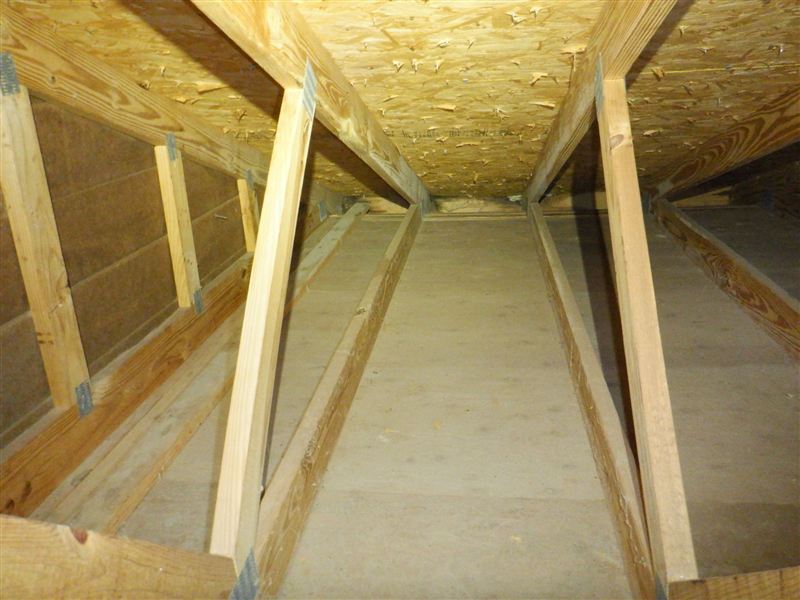
- Structure: foundation, floors, walls, columns and piers, ceilings and roof framing. I go into the crawlspace, basement and attic unless access is blocked or unsafe.
- Exterior: wall coverings, trim, doors, windows and other visible exterior components.
- Roofing: the roof covering and visible roof components, viewed from wherever they can be seen safely.
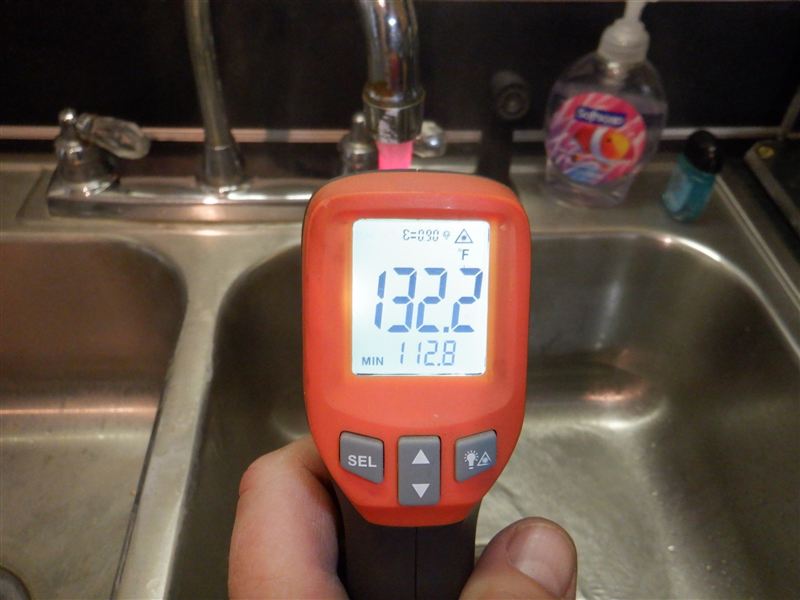
- Plumbing: water supply and drain piping, fixtures and faucets, and the water heater.
- Electrical: the service panel, breakers, visible wiring, outlets and switches. I also report whether smoke alarms, GFCI protection near plumbing fixtures, and carbon monoxide alarms (in homes with a fireplace, fuel-burning appliances or an attached garage) are present.
- Heating and air conditioning: the equipment, run with its normal controls, and the visible ductwork.
- Interiors: walls, ceilings, floors, stairs, doors and windows.
- Insulation and ventilation: in the attic, crawlspace and other accessible areas.
- Built-in kitchen appliances: the basic operation of installed appliances such as the range and dishwasher.
What a home inspection does not cover
A home inspection is a visual look at the house on the day I'm there. It isn't technically exhaustive, and NC rules spell out what falls outside it. A standard home inspection does not include:
- Code compliance, engineering opinions or a pass/fail rating
- How long a system or component will last, or what repairs will cost
- The home's market value
- Termites and other wood-destroying insects. Those inspections are done by licensed pest control companies, and I can schedule one for you.
- Mold, radon or other environmental hazards in the building, soil, water or air
- Well water quality or quantity, or the septic system
I also don't do repairs on homes I inspect. When I find something that needs attention, the report says so and points you toward the right kind of specialist.
Your photo-documented report
After the inspection you get a written report that follows the NC Standards of Practice. It:
- Describes the systems and components I inspected
- Lists anything I couldn't inspect, and why
- Identifies items that aren't functioning as intended and explains what that could mean
- Recommends repair, monitoring or further evaluation by a specialist where needed
- Includes a summary page, which NC law requires for pre-purchase inspections
- Shows my name, license number and signature
Photos go with the findings, so you can see what I saw and where it is in the house. That matters most for the places you'll probably never crawl into yourself, like the crawlspace and the attic. NC law requires the report by the date we agree to in writing, or within three business days if no date was set. You can see more pictures from the field in the photo gallery.
What I see in homes around here
From the foothills to the mountains, this area has its own mix of houses: older homes in town, mountain homes on sloped lots, second homes that sit empty part of the year, and homes on septic and wells outside town limits. Here's what that means for an inspection.
Crawlspaces
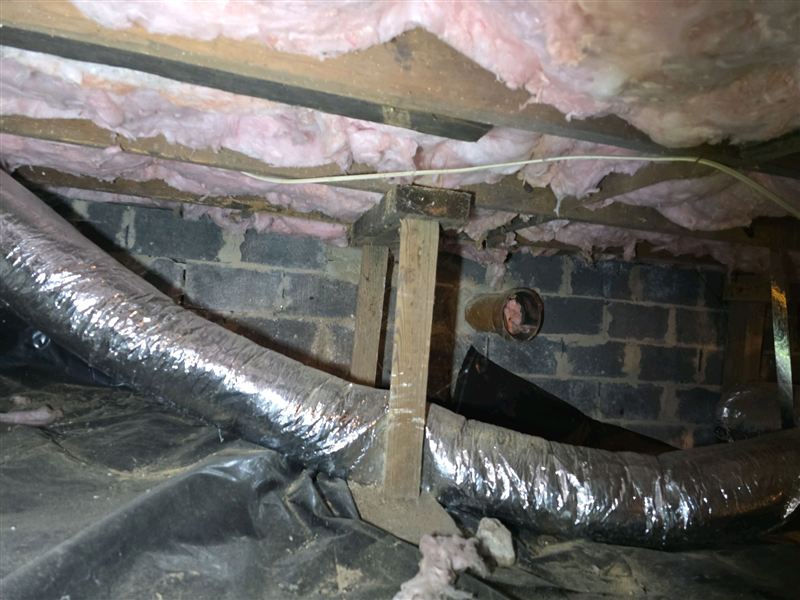
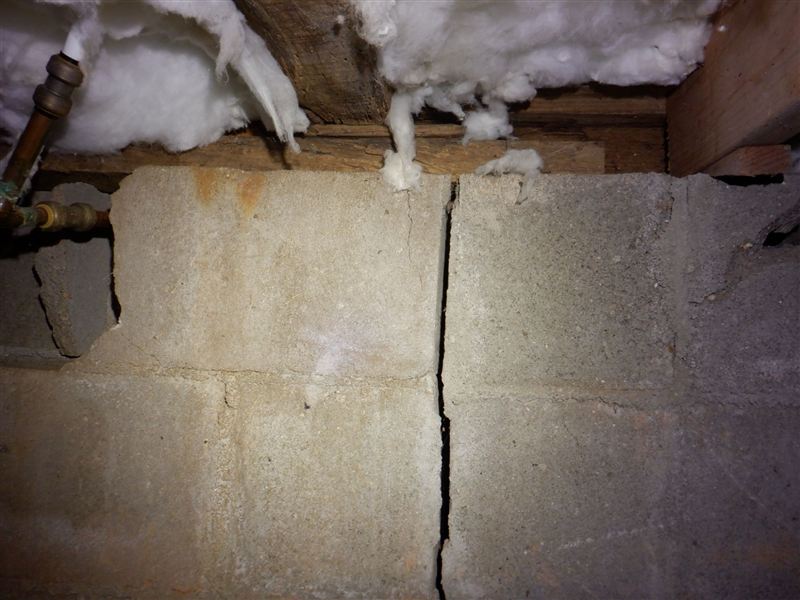
The crawlspace is the part of the house most buyers never see, and it often tells a lot of the home's story. I go in unless access is blocked or unsafe, and I look at the piers and supports, foundation walls, floor framing, vapor barrier, insulation, ductwork and plumbing. Makeshift supports, gaps in the vapor barrier, fallen insulation, torn duct covering, white mineral deposits on block walls, and framing notched for plumbing pipes are the kinds of things that get photographed and written up.
Older homes
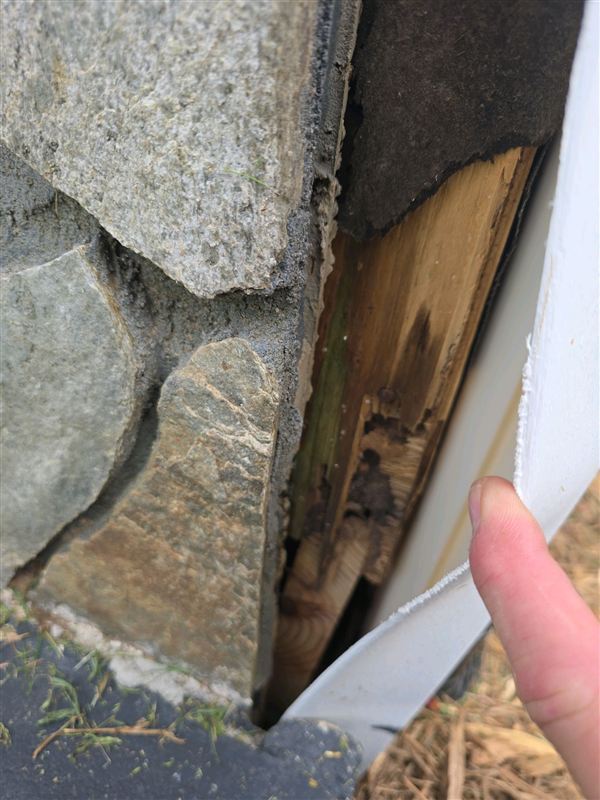
A lot of the housing in this area has some age on it. Census Bureau estimates put the median year built at 1968 in Marion, 1972 in Lenoir and 1976 in Morganton, and more than half of the homes in Marion and Morganton were built before 1980. Older houses often carry decades of additions, updates and repairs, so I pay attention to how those pieces fit together: the electrical panel and wiring, the plumbing, framing that has been cut or patched, and soft or deteriorated wood at exterior trim.
Morganton has nine National Register historic districts, and Hickory's Oakwood, Kenworth and Claremont neighborhoods are local historic districts. In those three Hickory districts, exterior changes beyond ordinary maintenance need a Certificate of Appropriateness from the city's Historic Preservation Commission, which is worth knowing before you plan exterior repairs.
Steep lots, mountain homes and second homes
In the mountains, slope matters. After Hurricane Helene, local officials reported 1,996 documented landslides across western North Carolina as of November 2024, and news reports put Buncombe County's count at 300 or more. I'm not a geotechnical engineer and I don't give opinions on slope stability, but I do report what I can see at the house: cracked foundation walls, signs of water getting into the crawlspace, and exterior conditions that need a closer look. When something calls for an engineer, the report says so.
Second homes are common here, too. About 28% of the housing in the Boone area is held for seasonal or recreational use, and Black Mountain has more than 400 homes held that way. A house that sits empty for weeks at a time can hide a slow leak or a moisture problem, so for a vacation home, make sure the water, power and any gas service will be on for the inspection.
Homes after Hurricane Helene
The National Weather Service described Helene's flooding as likely the most severe in recorded history for Burke, McDowell, Caldwell and Buncombe counties. If a home was flooded or repaired after the storm, I'll report the visible signs of past water I find, but I can't see inside closed walls or under finished floors. Anything you know about the home's history, and any repair records or disclosures you have, help fill in the picture. NCDHHS also put out well and septic safety guidance after Helene.
Homes on septic and wells
NCDHHS estimates that about half of North Carolina's occupied homes use septic systems and that about a quarter of the state's population depends on private wells. The NC Radon Program also puts Alexander, Buncombe, Burke, Caldwell, Catawba, McDowell and Watauga counties, where the towns I serve are located, in its "test indoor air and private well water" category. None of that is part of a standard home inspection. That's why I offer septic inspections, radon testing of indoor air with a continuous radon monitor, and well water sampling for bacteria and other common contaminants as separate services.
How to get ready for your inspection
- Make sure the water, electricity and any gas service are on, especially in a vacant home or a second home.
- Clear a path to the attic hatch, the crawlspace door, the electrical panel, the water heater and the heating and cooling equipment, and move stored items away from those openings.
- Keep pets secured or out of the house during the inspection.
- Gather what you have on the home: repair records, past inspection reports, and septic and well records. County environmental health offices keep septic permit records, and many let you request copies.
- If the home is on septic or a well, or you'd like radon testing, mention it when you schedule so we can plan everything together.
- Fit the inspection into your due diligence period with time left to read the report and line up any specialist follow-ups.
Want to know more about who'll be at the house? Read a little about me, or see the full list of service areas.
Home inspection questions
What does a North Carolina home inspection cover?
It's a visual, non-invasive inspection of the home's readily visible and readily accessible systems and components, done under the NC Home Inspector Licensure Board Standards of Practice. That includes the structure and foundation, exterior, roof, plumbing, electrical, heating, air conditioning, interiors, insulation and ventilation, and built-in kitchen appliances. I go into the attic and crawlspace unless access is blocked or unsafe.
Are septic, well water and radon part of a home inspection?
Not in a standard NC home inspection. The Standards of Practice don't require home inspectors to evaluate septic systems, well water or environmental hazards like radon. I offer each as a separate service: septic inspections as an NC On-Site Wastewater Inspector #60071, radon testing with a continuous radon monitor, and well water sampling for bacteria and other common contaminants.
Do you inspect for termites or mold?
No. Termite and other wood-destroying insect inspections are done by licensed pest control companies, and I don't do mold testing. I do report visible conditions I come across, like water stains, damp framing or deteriorated wood, and recommend the right specialist when something needs a closer look.
Does a house pass or fail a home inspection?
No. A home inspection isn't pass or fail, and it isn't a code inspection, an engineering evaluation or an appraisal. The report describes the condition of what I could see and reach, points out anything that isn't working as intended, and recommends repair, monitoring or a specialist's evaluation where needed. What you do with that information is up to you.
When will I get my inspection report?
North Carolina law requires the written report by the date agreed to in writing, or within three business days if no date was agreed. If you're working against a deadline, tell me when you schedule.
Can you inspect a home that was flooded or repaired after Hurricane Helene?
Yes. It gets the same visual inspection as any other home, and I report the visible signs of past water I find, such as staining, deteriorated wood, debris in ductwork or damp crawlspace conditions. I can't see inside closed walls or under finished floors, so share what you know about the home's history. After Helene, NCDHHS advised that flooded septic systems be inspected and that flooded wells be disinfected and tested before use. I offer septic inspections and well water sampling as separate services.
What areas do you serve?
I inspect homes in Morganton, Hickory, Marion, Lenoir, Boone, Old Fort, Black Mountain, Maiden, Newton, Conover and Taylorsville. Those towns sit in Burke, Catawba, McDowell, Caldwell, Watauga, Alexander and Buncombe counties, from the foothills through the Blue Ridge. If you don't see your town listed, call and ask.