Inspecting homes in the center of the county
Conover sits in the Catawba Valley of North Carolina's western Piedmont and calls itself the geographic center of the county. It grew up in the mid-1800s around a railroad "Y" (it was first called Wye Town), was chartered in 1876, and today is crossed by I-40, US 70 and US 321. It borders Hickory to the west, Newton to the south and Claremont to the east.
Conover's homes are newer than in most of the towns I serve. Census estimates put the median year built at about 1991, with more than 800 homes built in the 1990s and close to 30 percent built in 2000 or later. Only about 30 homes date to before 1940. About six in ten are single-family detached houses, a little over 300 are townhouse-style single-family attached homes, and about one in ten are manufactured homes. The city also has two National Register listings from 1990, the Bolick Historic District and the George Huffman Farm.
What I look at in Conover's 1990s and newer homes
A house built in the 1990s has been standing for about three decades, so some of its equipment may be original and some may be on its first or second replacement. A newer house isn't automatically a trouble-free house. My inspection is a visual, non-invasive look at the home's readily visible and readily accessible systems and components, following the NC Standards of Practice. Those standards don't ask a home inspector to predict how many years a component has left, and I don't guess. I report what I can see: wear, damage, leaks and anything that isn't functioning as intended.
Equipment from the original build or an early replacement
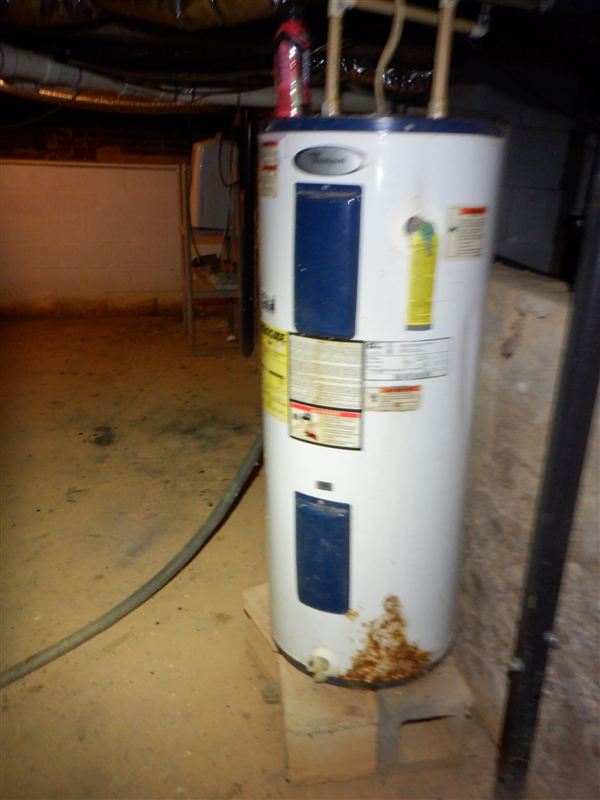
- Water heaters: rust, leaks and how hot the water comes out at the tap
- Heating and cooling equipment: how it runs, plus the visible condition of the unit and its ductwork
- Roof coverings: worn, lifted or damaged shingles and the flashing where the roof meets walls, vents and chimneys
- Plumbing: supply lines, drain piping under sinks and stains that point to past leaks
- Electrical: the panel, receptacles and GFCI protection near plumbing fixtures, and whether smoke alarms are present, along with carbon monoxide alarms where the home has a fireplace, fuel-burning appliances or an attached garage
Subdivision homes and crawlspaces
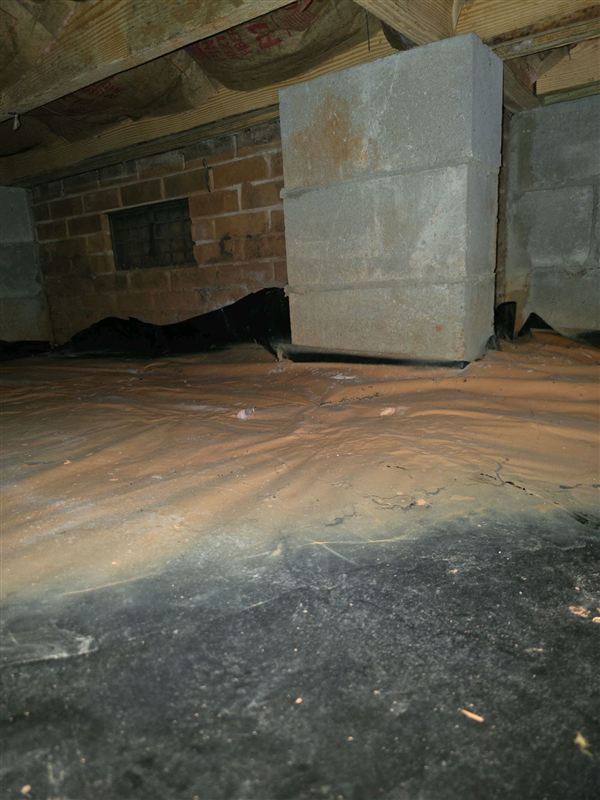
Much of Conover's housing dates from the subdivision building of the 1990s and 2000s. When a house sits over a crawlspace, I go in unless the space is blocked or unsafe, and look at the framing, piers, insulation, vapor barrier and any signs of moisture. Outside, I check the grading and gutters that are supposed to carry water away from the foundation.
Townhouses and other attached homes
A little over 300 Conover homes are single-family attached, the townhouse-style homes that share a wall with the house next door. I inspect the unit you're buying or selling, its readily visible and readily accessible systems and components, under the same Standards of Practice. If an owners' association handles the roof, exterior or grounds, it's worth asking the association what it maintains.
Manufactured homes
About one in ten Conover homes is a manufactured home. I inspect them to the same visual standard, including the underside of the home, its supports and the skirting where they're accessible, along with the plumbing, electrical, and heating and cooling inside.
Septic, wells and radon around Conover
The City of Conover provides water and sewer service, with power from Duke Energy and natural gas from Piedmont Natural Gas. When a Conover-area property uses a septic system or a private well instead, I can add a septic inspection or a well water test.
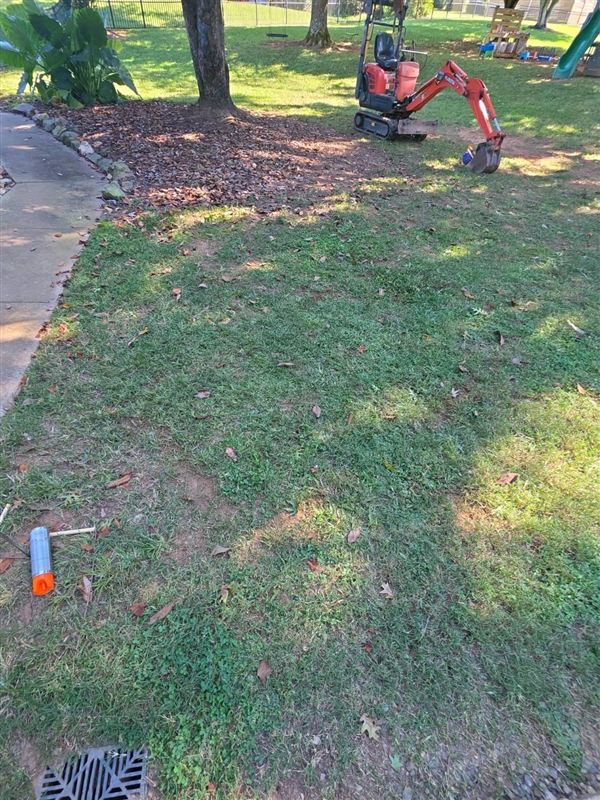
As an NC On-Site Wastewater Inspector #60071, I find the tank, open it, check the visible condition of the tank and its parts, and walk the drain field area looking for signs of trouble. When a tank is buried, I uncover it, with a mini excavator when hand digging isn't practical. For a well, I take water samples to check for bacteria and other common contaminants.
Catawba County Environmental Health keeps septic permit records, and my Newton page covers where to find them. One thing to know: the county notes that some permits in its ePermits system may wrongly show as expired, so check anything unusual with the office.
Catawba County is in EPA Radon Zone 2, but NCDHHS notes that radon levels are highly site-specific, so only a test shows what a particular home has. My radon testing page explains how I test with a continuous radon monitor.
Nearby towns I serve
Conover sits between Hickory and Newton, and I serve both, along with Maiden to the south. See my pages for Hickory, Newton and Maiden, or find every town on the service areas page.
Conover home inspection FAQ
The home was built in the 1990s. Is an inspection still worth it?
Yes. A house that age can still have roof, plumbing, crawlspace, electrical or heating and cooling issues that aren't obvious on a walkthrough. My inspection follows the NC Standards of Practice, and the report notes anything that isn't functioning as intended.
Will you tell me how many years the roof, water heater or heating and cooling system has left?
No. The NC Standards of Practice don't require a home inspector to estimate life expectancy, and I won't guess at it. I report the condition I can see, such as wear, rust, leaks or damage, and anything that isn't functioning as intended. If you want a remaining-life estimate, a qualified contractor for that system can give you one.
Do you inspect townhouses in Conover?
Yes. Townhouse-style homes that share a wall with a neighbor make up a little over 300 of Conover's homes. I inspect them the same way I would a detached house, following the NC Standards of Practice, and the report covers what I could see and reach. Where an owners' association takes care of shared parts like the roof or exterior, check with the association about what it maintains.
Can you inspect a manufactured home in Conover?
Yes. Manufactured homes make up about a tenth of Conover's housing. My inspection covers the readily visible and accessible systems, from the roof and exterior to the plumbing, electrical, and heating and cooling, plus the supports and the area under the home where I can get to them.
Do you inspect older homes in Conover too?
Yes. Most of Conover's housing is newer, but about 30 homes were built before 1940, and the Bolick Historic District and the George Huffman Farm were both added to the National Register in 1990. An older home gets the same visual, non-invasive inspection under the NC Standards of Practice, with close attention to the foundation, framing and the visible updates made over the years.