Nearby communities
The towns above are starting points, not borders. I also inspect homes in the smaller communities and rural areas around them, including:
- Glen Alpine, Valdese, Drexel and the Lake James area near Morganton
- Nebo, Pleasant Gardens and Little Switzerland near Marion
- Ridgecrest, Montreat and Swannanoa near Black Mountain
- Long View, Brookford, St. Stephens and Claremont around Hickory, Conover and Newton
- Gamewell, Hudson, Granite Falls and Collettsville near Lenoir
- Hiddenite, Stony Point and Bethlehem near Taylorsville
- Blowing Rock, Deep Gap, Valle Crucis and the Blue Ridge Parkway corridor around Boone
One region, a lot of different houses
My area follows the Catawba River valley, then climbs from the foothills through the Blue Ridge. It runs from Maiden, at about 830 feet on the US 321 corridor, up to Boone, at about 3,300 feet in the High Country, and west through Marion and Old Fort to Black Mountain in the Swannanoa Valley.
That covers a wide mix of homes: historic neighborhoods in Morganton, Hickory and Newton, older mill-era houses in Marion, late-20th-century and newer subdivisions around Conover, lake homes near Lake James and Lake Hickory, second homes around Boone and Black Mountain, and manufactured homes and rural homesteads in the countryside. Each one calls for a slightly different eye, and as a native of this area, I'm glad to talk through what yours may need.
What comes up across the region
Older homes
In several of the towns I serve, the typical house is about 50 years old or older. U.S. Census estimates put the median year built at 1968 in Marion, 1972 in Lenoir, 1976 in Morganton and Taylorsville, and 1977 in Newton. Older homes can be solid, but wiring, plumbing, framing and foundations have had decades to age. My home inspection is a visual, non-invasive look at the home's readily visible and accessible systems and components, done under the NC Standards of Practice.
Wells and septic outside town limits
Many homes outside town limits rely on a private well, a septic system or both. Statewide, NCDHHS estimates that about half of occupied homes use septic, and about a quarter of North Carolinians depend on private wells.
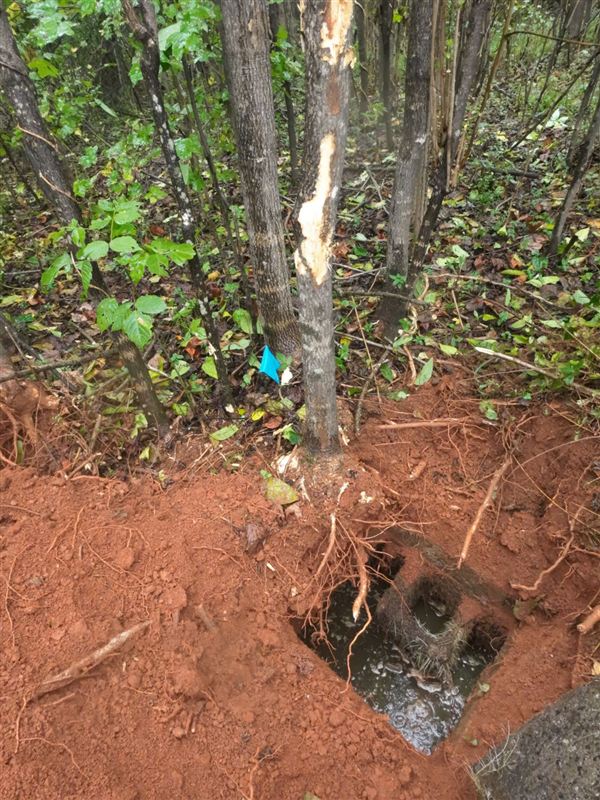
Septic systems and well water quality fall outside a standard NC home inspection, so I offer them as separate services. For a septic inspection, I locate the system, uncover and open the tank (with a mini excavator when hand digging isn't practical), evaluate the visible condition of the tank and its components, and look over the drain field area for signs of trouble. For well water testing, I collect well water samples for bacteria and other common contaminants.
Radon
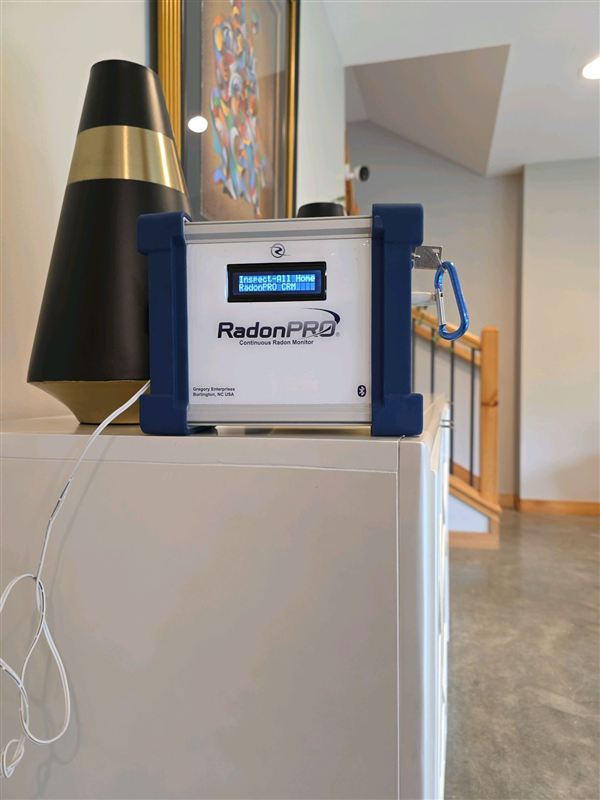
The NC Radon Program recommends testing both indoor air and private well water in Alexander, Buncombe, Burke, Caldwell, Catawba, McDowell and Watauga counties. Radon levels vary from house to house, so a test is the only way to know a home's level. For radon testing, I use a continuous radon monitor that runs for at least 48 hours. EPA recommends fixing a home when radon is 4 pCi/L or higher.
Homes affected by Hurricane Helene
Hurricane Helene brought historic flooding to much of this region in September 2024. Old Fort, the Catawba River side of Morganton, Collettsville near Lenoir and downtown Boone all saw serious flooding. Afterward, NCDHHS advised having flooded septic systems inspected and flooded wells disinfected and tested before use. If the home took on water during Helene, or has had flood repairs since, please mention it when you call.
Who keeps septic and well records
Septic permits and well records are generally kept by the county or district health department, not the town. These are the offices for the areas I serve:
- Morganton and Burke County: Burke County Environmental Health
- Marion, Old Fort and McDowell County: Foothills Health District
- Black Mountain and Buncombe County: Buncombe County well and septic records search
- Hickory, Newton, Conover and the Catawba side of Maiden: Catawba County Environmental Health (parts of Hickory in Burke or Caldwell County use those counties' offices)
- The Lincoln side of Maiden: Lincoln County Environmental Health
- Lenoir and Caldwell County: Caldwell County Environmental Health
- Taylorsville and Alexander County: Alexander County Environmental Health
- Boone and Watauga County: AppHealthCare Environmental Health
Service area questions
Do you inspect homes in towns that aren't listed here?
Often, yes. The town pages are a starting point, not a boundary, and I also work in the smaller communities and rural areas around them. If your town isn't listed, call me at 828-443-2371 with the property address and I'll let you know.
Will you travel to rural, wooded or mountain properties?
Yes. This region runs from the foothills to the mountains, and many rural homes rely on a private well, a septic system or both. If the driveway or site is hard to reach, mention it when you call so we can plan for it.
Can I add a septic inspection, radon test or well water test to my home inspection?
Yes. The NC Standards of Practice don't require a home inspection to cover the septic system, well water quality or radon, so I offer each one as a separate service. Just tell me which ones you need when you request your inspection.
Is radon a concern everywhere you work?
Radon potential varies, but none of the counties I serve is in EPA's low-potential zone. Buncombe and Watauga are Zone 1, the highest potential, and Alexander, Burke, Caldwell, Catawba, Lincoln and McDowell are Zone 2. EPA recommends testing homes regardless of zone and fixing the home if radon is 4 pCi/L or higher. Levels vary from house to house, so a test is the only way to know.
Where can I find septic or well records for a property?
Septic permits and well records are generally kept by the county or district health department, not the town. The list above links to the office for each area I serve. Records for older systems can be thin, so it helps to request them early.